TL;DR
- For a wedding with the ceremony, cocktails and reception in one place, our standard plan is six hours of DJ and MC coverage.
- Those six hours split into one hour from guest arrival through the ceremony, one hour of cocktail music and four hours of reception.
- Loading in, building the booth and the sound check happen before your first hour, so ask any DJ how they count that time.
- Want the party to go past six hours? Say so when you book, so the extra time is in the plan and not a decision at midnight.
How many hours do you need a wedding DJ for? Most couples ask that right after they pick a date, usually while staring at a quote that lists a number of hours and not much else. The honest answer depends on which parts of the day need music and a microphone, and in South Florida that is often more of the day than people expect.
We are a family owned production company based in Miami. Our wedding DJs and MCs work receptions from Homestead to Palm Beach, and the hours question comes up on almost every first call. Here is how we answer it, hour by hour.
How Many Hours Do You Need a Wedding DJ For?
Plan on six hours when the ceremony, cocktail hour and reception all happen at one venue. That is the plan we quote most often, and Eddy breaks it into three blocks:
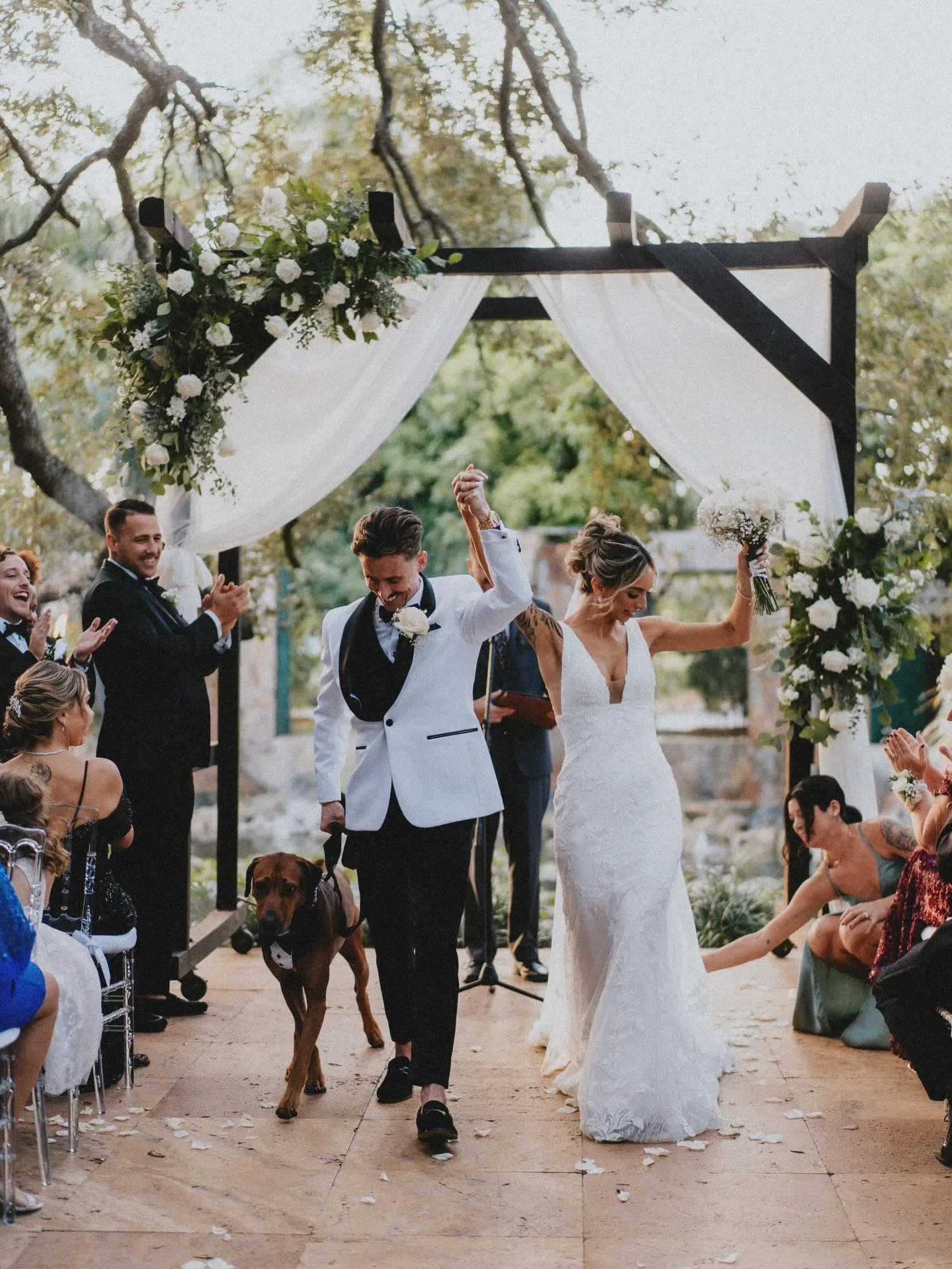
- Guest arrival through the ceremony: one hourSeating music as guests find their chairs, the processional, microphones for the vows, and the recessional.
- Cocktail hour: one hourBackground music while the couple takes photos and the reception room gets its last touches.
- Reception DJ and MC: four hoursDinner music, introductions, formal dances, announcements and party music, through the last song.
Other wedding guides land in a similar place. The planning articles we read while writing this put a reception only booking at four to five hours and full coverage from ceremony to last call at six to eight. Zola's cost guide says most packages fall between four and eight hours. We still quote each wedding by its own timeline, because a 2 PM garden ceremony and an 8 PM ballroom party are not the same night.
What Does a Typical Wedding Timeline Look Like From the DJ Booth?
Here is a sample day with a 4 PM ceremony, the most searched start time for this kind of plan. Your clock times will move; the order rarely does.
- 3:30 PM, guests arriveSoft prelude music at the ceremony spot. Ushers seat families, and the officiant's microphone is already tested.
- 4:00 PM, ceremonyProcessional, readings, vows and the recessional. A good DJ watches the aisle, not a clock, and holds the song until the last bridesmaid reaches the front.
- 4:30 PM, cocktail hourLighter music at a talking volume. This is also when the reception room gets its final check.
- 5:30 PM, grand entranceThe MC introduces the wedding party and the couple, often with a different song for each pair.
- 5:45 PM, first dance and welcome toastMany couples dance first, then sit, so the room settles before plates arrive.
- 6:00 PM, dinnerDinner music low enough for conversation, plus toasts from the wedding party and family.
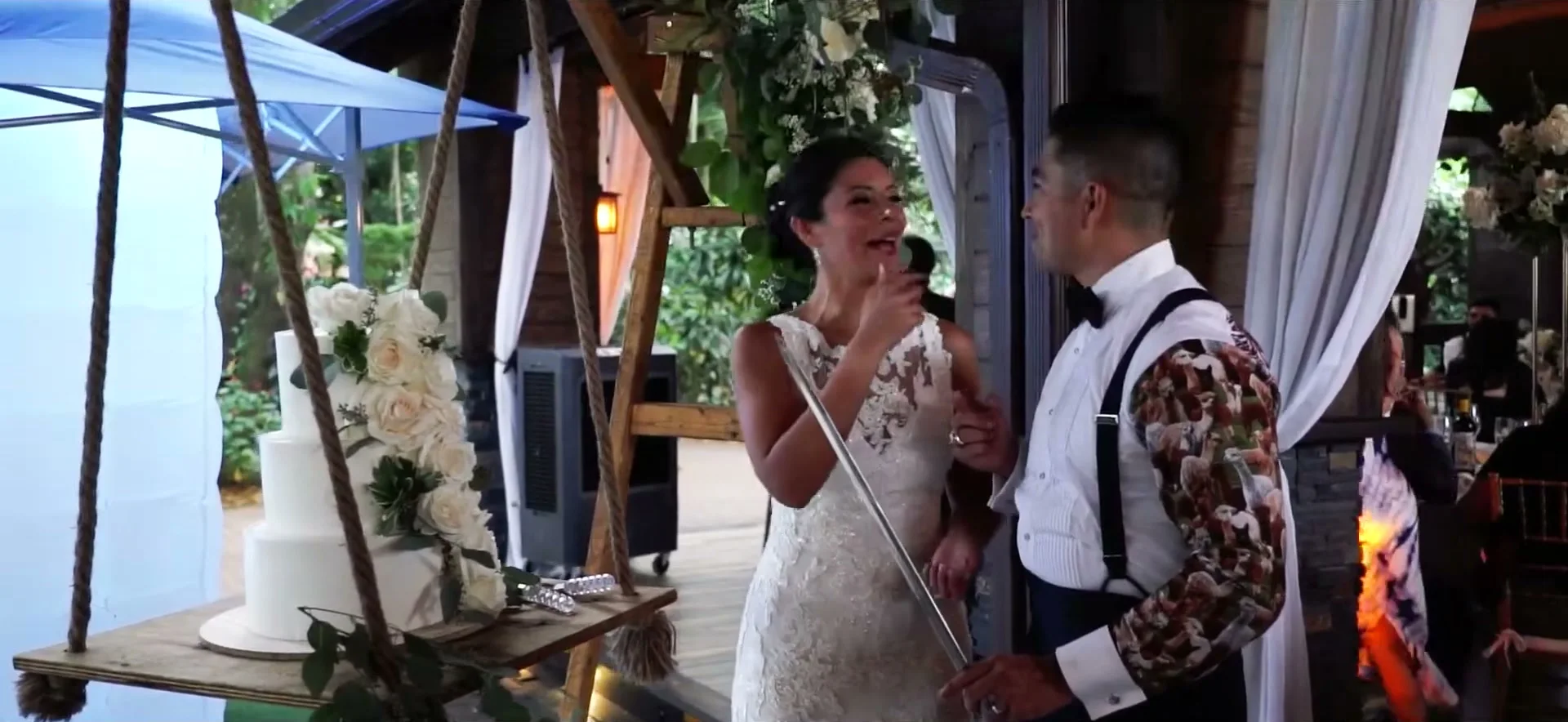
- 7:00 PM, parent dances and cakeFather and daughter, mother and son, any family tradition, then the cake cutting.
- 7:30 PM, open dancingThe longest block of the night. Bouquet toss, a money dance or a hora loca usually lands here.
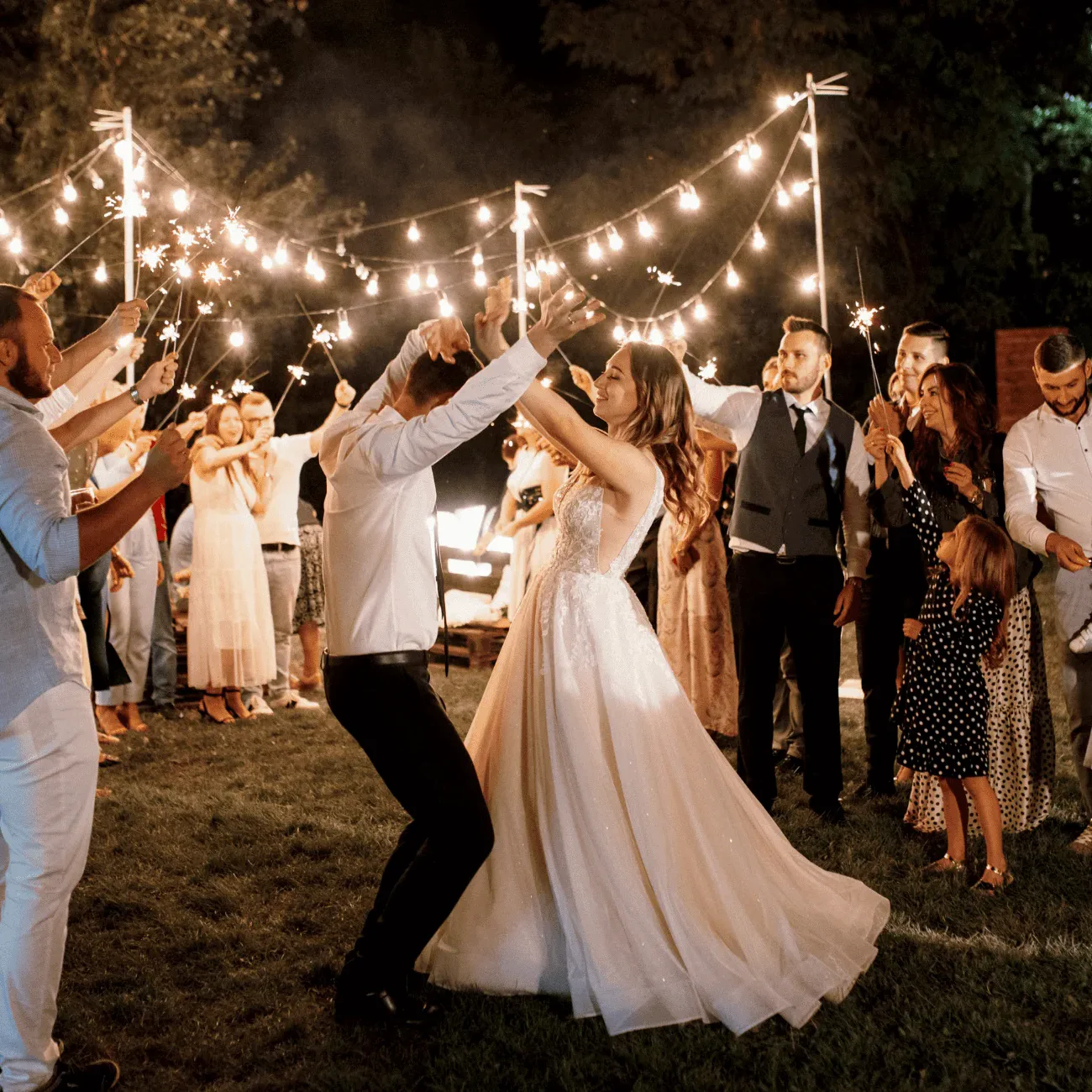
- 9:30 PM, last song and send offOne final song chosen ahead of time, then sparklers or a confetti exit if the venue allows it.
Count it up and that sample day is six hours of music. Notice how much of it is not dancing: in this example the dance floor gets about two hours, and everything before it is cues, announcements and timing.
Do the Ceremony and Cocktail Hour Need Their Own Sound?
Often, yes. If guests walk from a lawn to a ballroom, the ceremony and the reception are two different places, and someone has to have sound ready in both at the right moment.
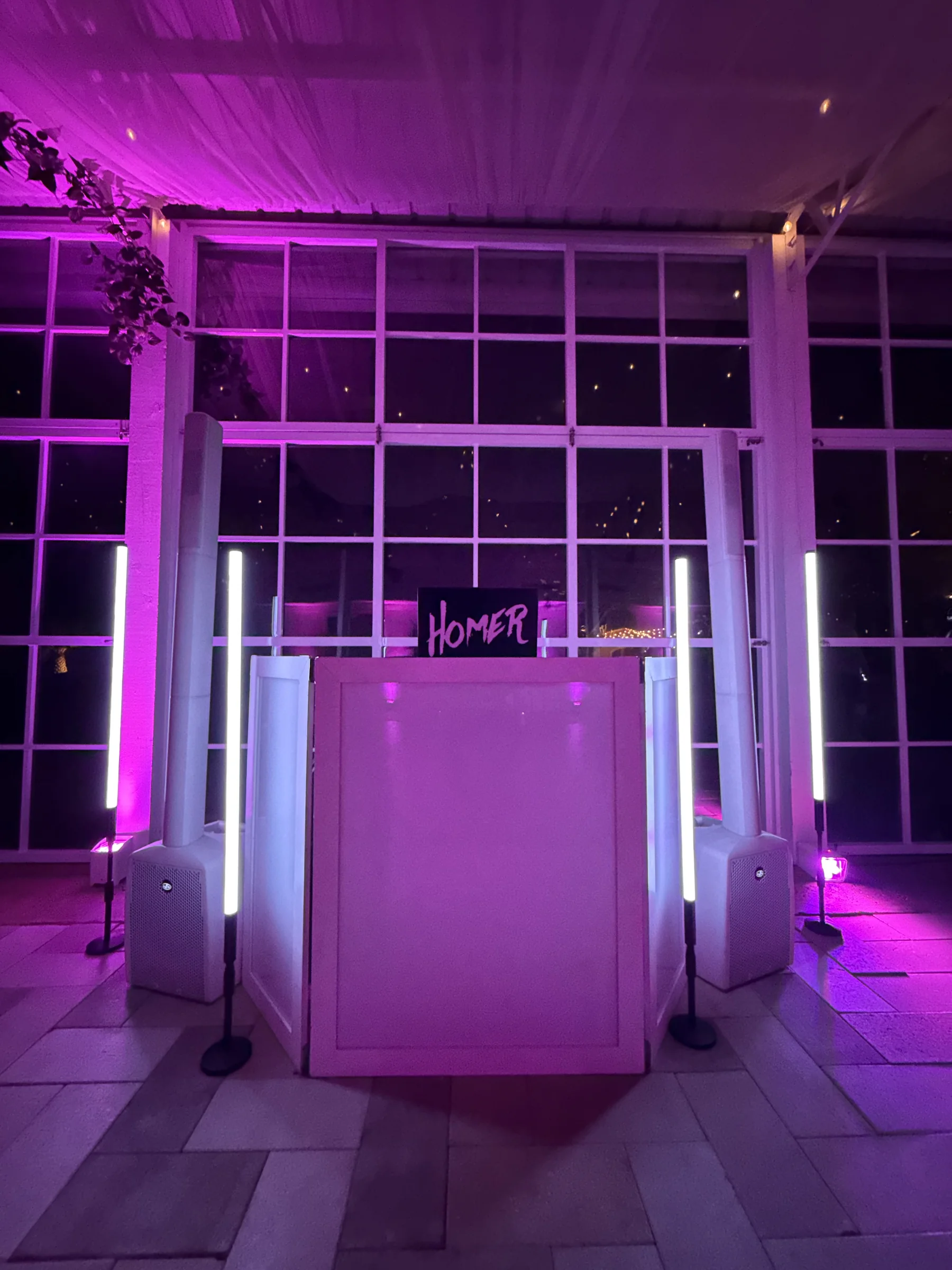
At one wedding Eddy still describes, the violinist played through a smaller speaker on a tripod stand, the officiant had a microphone, and the cocktail area had nearly the same setup minus the microphone. The full reception system with the DJ booth, tower speakers and dance floor lighting stood ready in the main room. That is the kind of plan worth asking for before you book, so the hours you buy cover every spot where music plays.
The vows are the part guests most want to hear and the part that most often gets lost to wind or a ceiling fan. Read our guide to microphones and presentation audio for what the officiant and the couple usually wear, and our event sound systems page for how a second system gets placed.
Does Setup Count Against Your Hours?
Ask, because it varies. Most published planning guides treat playing time as separate from loading in, building the booth, the sound check and the strike at the end of the night. Some DJs fold that work into the package; others bill it.
What the setup involves is not a mystery. Gear comes off the truck, goes through the load in door and up an elevator if there is one, the booth and speakers get built, cables get taped down away from guest paths, and every microphone gets tested in the room. Guides we read suggest one to two hours for a standard reception and longer when there is lighting, a separate ceremony spot or a long carry from the loading area. After the last song, the same work runs in reverse.
Venue rules shape all of this. Some rooms open to vendors late because another event is using them, and some want every vendor gone soon after the last guest. When a venue's rules make a tight window, we bring more crew so the setup is clean and finished on time.
 Google review
“DJ Homer was amazing. He was so great to work with from start to finish. They arrived early for setup and were ready for the event to start on time. He is so friendly and respectful. His playlist based on our songs was spot on! We didn’t sit down the whole night. He did some announcements and kept the night on track especially when we had to make adjustments in the moment. So happy we found this company and Brandon. If we ever need a DJ in the future, he will be our first call.”
Is a Four Hour Wedding DJ Booking Enough?
Four hours fits a reception on its own: introductions, dinner, the formal dances and about two hours of dancing. It does not stretch to cover the ceremony and cocktail hour as well.
Four hours can work when a string trio or a guitarist plays the ceremony, when cocktails happen somewhere with no music, or when the venue has an early end time. It feels short when dinner runs slow, when there are many toasts, or when the family likes to dance. Look back at the sample day: drop the first two hours and you have four, with no room left for a late dinner service.
A useful check is to count backward from the end time your venue gives you. If music must stop at 11 PM and you want two full hours of dancing after dinner and the formalities, the start of DJ coverage falls out of that math, not out of a package name.
What Changes the Price When You Add Hours?
People search for how much a wedding DJ costs for four hours expecting one number. We do not publish one, because the hours are only part of what moves a quote. These are the things that change ours:
- The number of hours of music.
- Lighting, from uplighting around the room to a light show behind the booth.
- Live performers or musicians playing alongside the DJ.
- Asking for a specific DJ by name.
- Add ons such as a photo booth or special effects.
- The venue itself, and how hard it is to load in, set up and work in.
That last point matters more than couples expect. A ground floor room with a loading door near the stage is a different job from a rooftop reached by one service elevator. Send us your venue and timeline and we will tell you what fits; our weddings page shows the full range of what we bring.
What Happens When the Night Runs Long?
Wedding timelines slip. Photos run over, dinner comes out late, a toast becomes a speech. The question is what gives when they do.
When a coordinator runs the day, they lead and we follow their timeline. Our MC keeps announcements on cue and can tighten a transition so the dancing does not get squeezed. Without a coordinator, your DJ and MC carry more of that, which is why we review the timeline with you on a call with your DJ after your questionnaire comes in, two weeks before the wedding.
If you want more than six hours of music, we are ready to keep going. The better move is to plan for it at booking, so the extra time, the venue's end time and the crew schedule all line up. Whoever you hire, ask three things in writing: how extra time is charged, who can approve it on the night, and whether the venue's music cutoff allows it at all.
Google review
“I wanted an old school dance party for my wedding reception and Soflo delivered exactly what I asked for. My husband and I danced for three hours straight and they definitely made all our dreams come true. I highly recommend them for all your entertainment needs.”
How Do You Lock In the Right Number of Hours?
Write down three times: when guests arrive, when the venue needs the music off, and where each part of the day happens. Those three facts tell you most of what you need. If you have not interviewed DJs yet, our list of questions to ask a wedding DJ covers who shows up, music planning and the contract. Couples in Miami can also see how we work locally on our Miami DJ services page.
Then send us your date and venue. We reply with a timeline, the hours we would plan and a quote built on your day.
Quick Answers
How long do you normally hire a DJ for a wedding?
For a ceremony, cocktail hour and reception at one venue, our standard plan is six hours. Reception only bookings elsewhere commonly run four to five hours.
How much is a wedding DJ for 4 hours?
It depends on lighting, live musicians, the DJ you choose, add ons and the venue as well as the hours. We quote each wedding by its own timeline; send us yours on the contact page.
Does the DJ's setup time count toward the hours I book?
It depends on the DJ, so ask before you sign. Setup and the sound check happen before guests arrive, and the strike happens after the last song.
How long is a typical wedding reception?
Our reception block is four hours: dinner music, introductions, formal dances, announcements and party music. Add the ceremony and cocktail hour and the day of music is about six hours.
Can the DJ keep playing past the booked hours?
With us, yes, if the venue allows it. Tell us when you book so the extra time is planned, and ask any DJ how extra time is charged and approved.
How far in advance should we book a wedding DJ?
As soon as you have a date and a venue, since popular Saturdays fill first. After you book, our questionnaire is due two weeks before the wedding.