




5.0from 63 Google ratings

Live Sound Engineer for Events in South Florida

A live sound engineer is the person at the console who decides what your room hears: the band, the keynote, the toast, the video clip. Some people say audio engineer, sound technician or sound guy. We send one with our crew to conferences, galas, weddings with bands, concerts and festivals.

Hire a Sound Engineer for Your Date

Five quick fields. We call or text you back with a quote.

Want to give more detail? Use the full form.

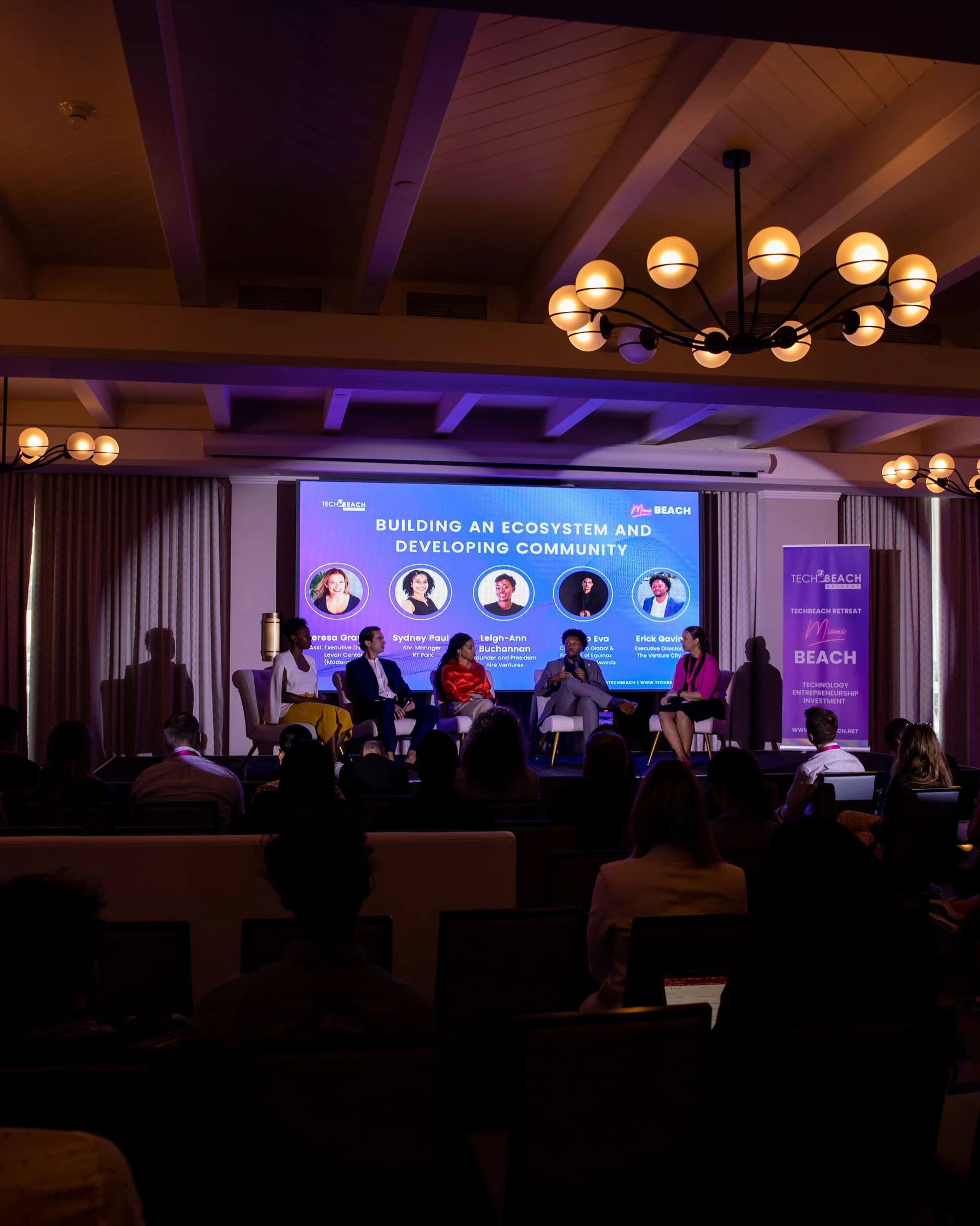
  • Five panelists with microphones on a low stage in front of a screen, seen from the back of a dark room.
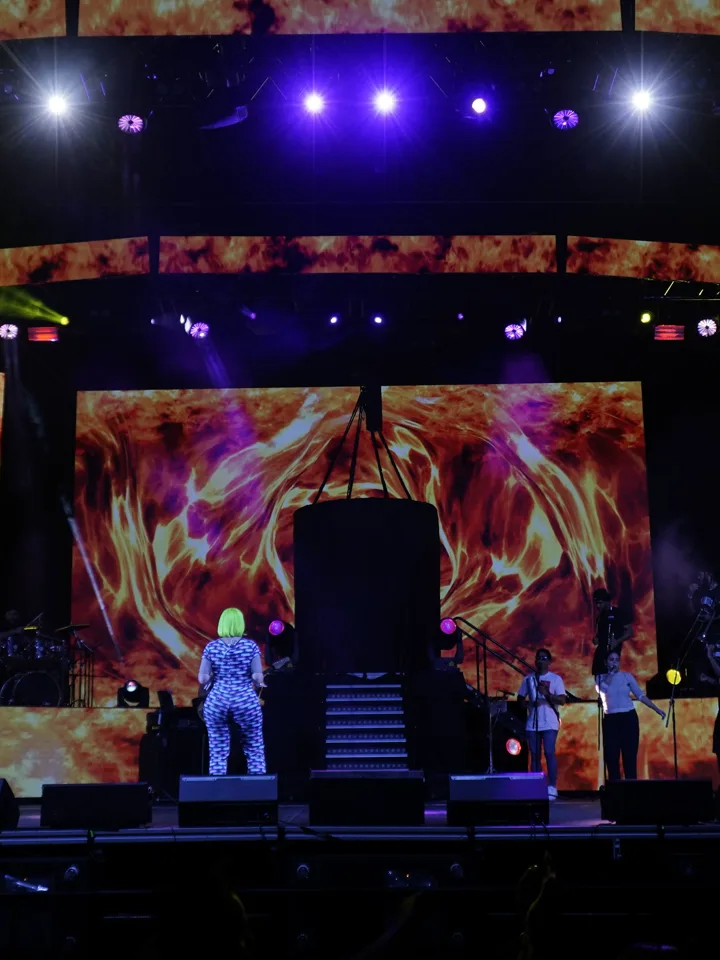
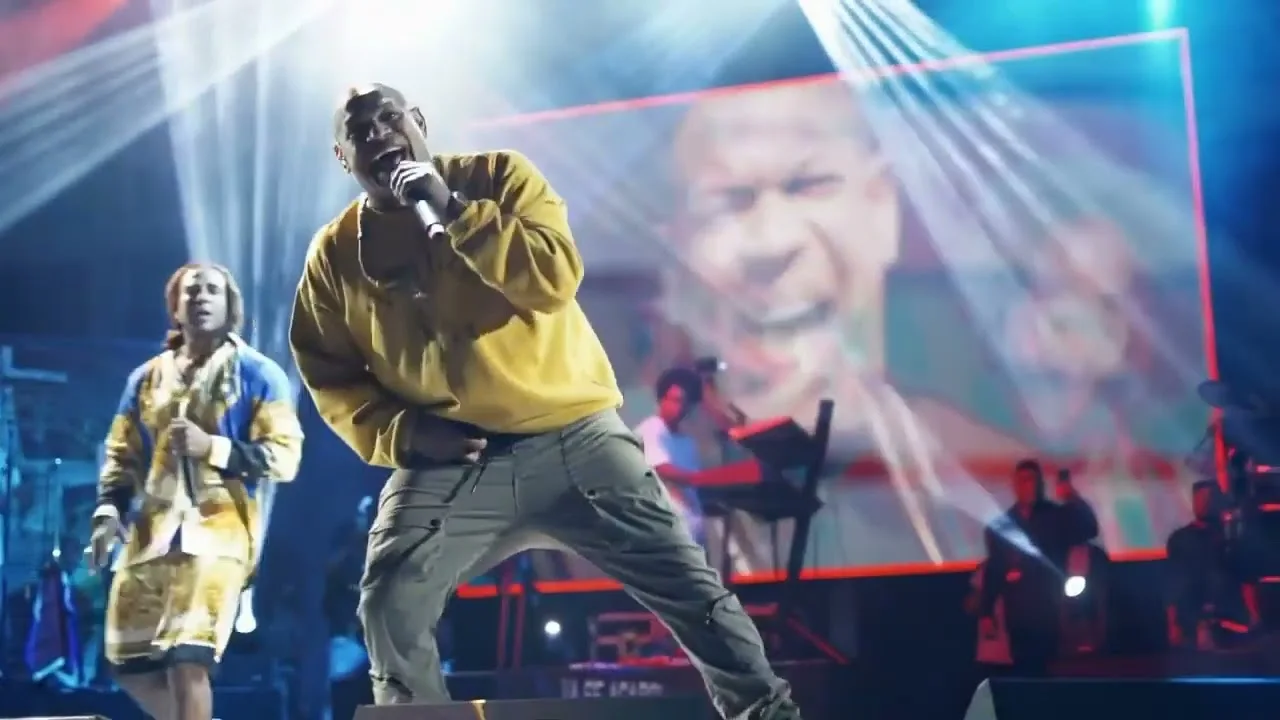
  • A concert stage with LED walls behind the performers.
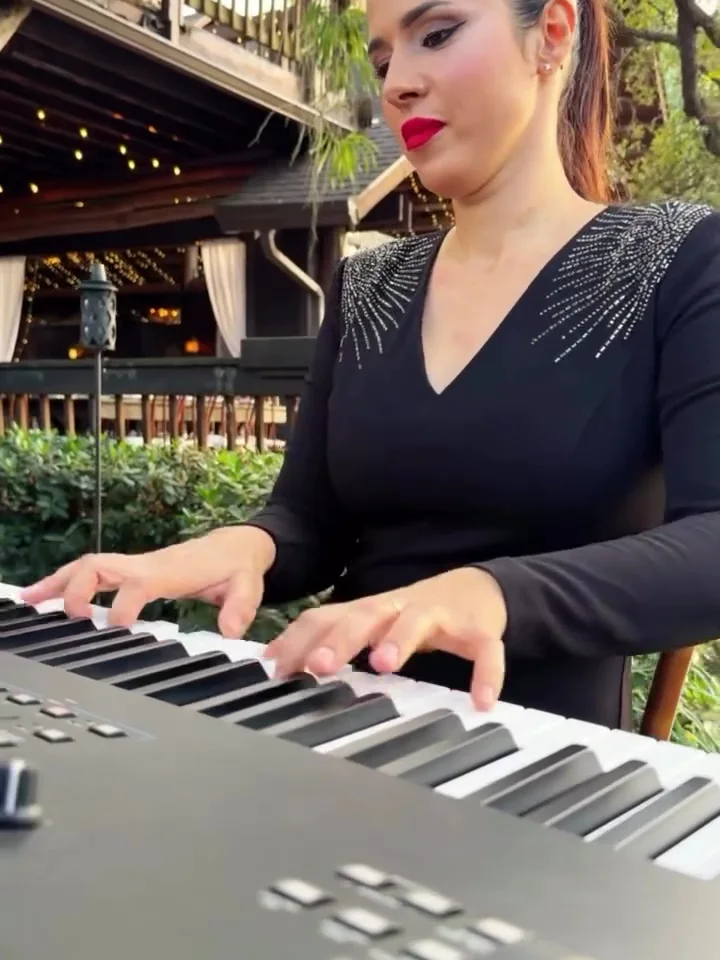
  • A pianist playing a keyboard at an outdoor event.
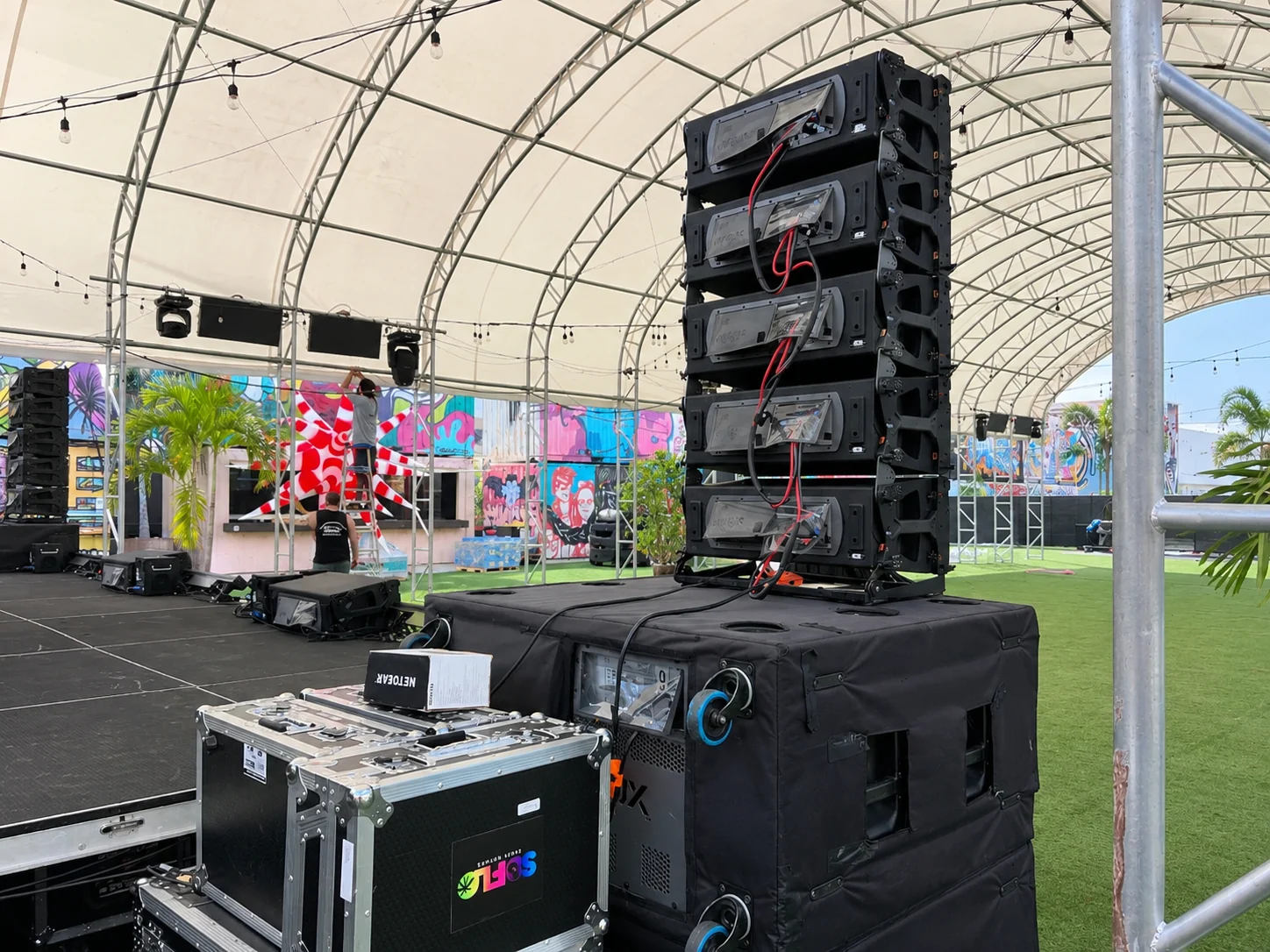
  • A line array speaker stacked on subwoofers beside a stage under a tent in Wynwood.
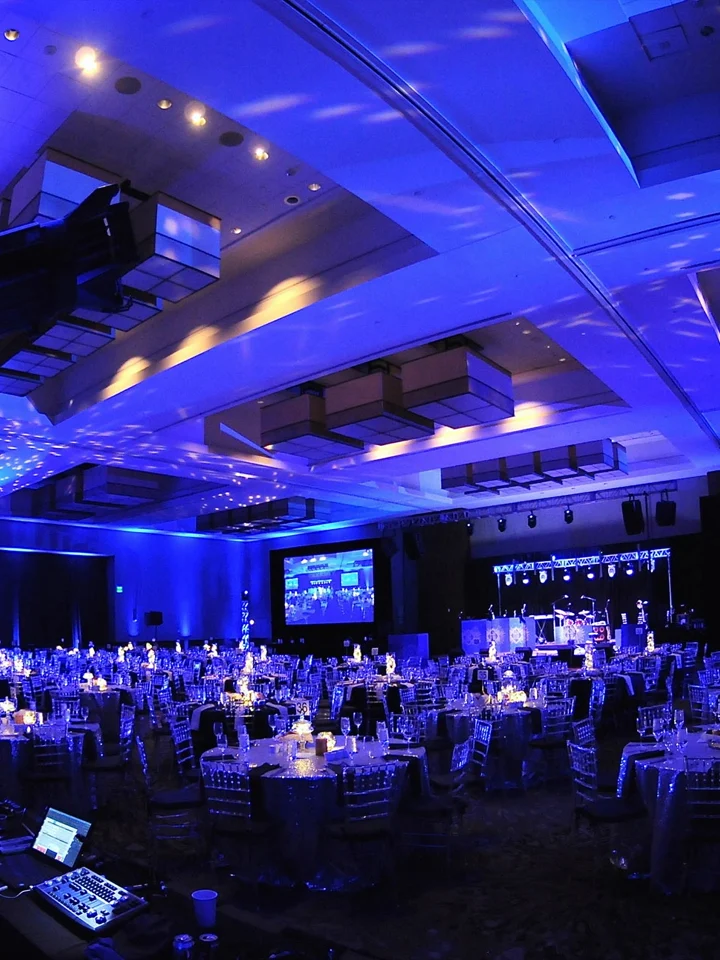
  • A ballroom lit blue with screens on both sides of a stage.
  • A stage with an LED wall glowing purple.

Somebody Has to Ride the Faders

5.0
Google Reviews5 out of 563 ratings. Read them on Google
Family OwnedSince 2017, out of our Hialeah shop
One Crew, Every SystemSound, lighting, video, staging and DJs
Open Daily9:30 AM to 8:30 PM
(305) 714-0402

The Job

What a Live Sound Engineer Does at Your Event

Speakers do not mix themselves. Every microphone, instrument and laptop on your stage arrives at one console, and one person balances them for the whole show. That person is what this page is about. The speakers and subwoofers are covered on our event sound systems page.

Who Books an Engineer

Speeches, Bands and Full Shows

Three kinds of clients ask us for a sound technician. Each one is listening for something different.

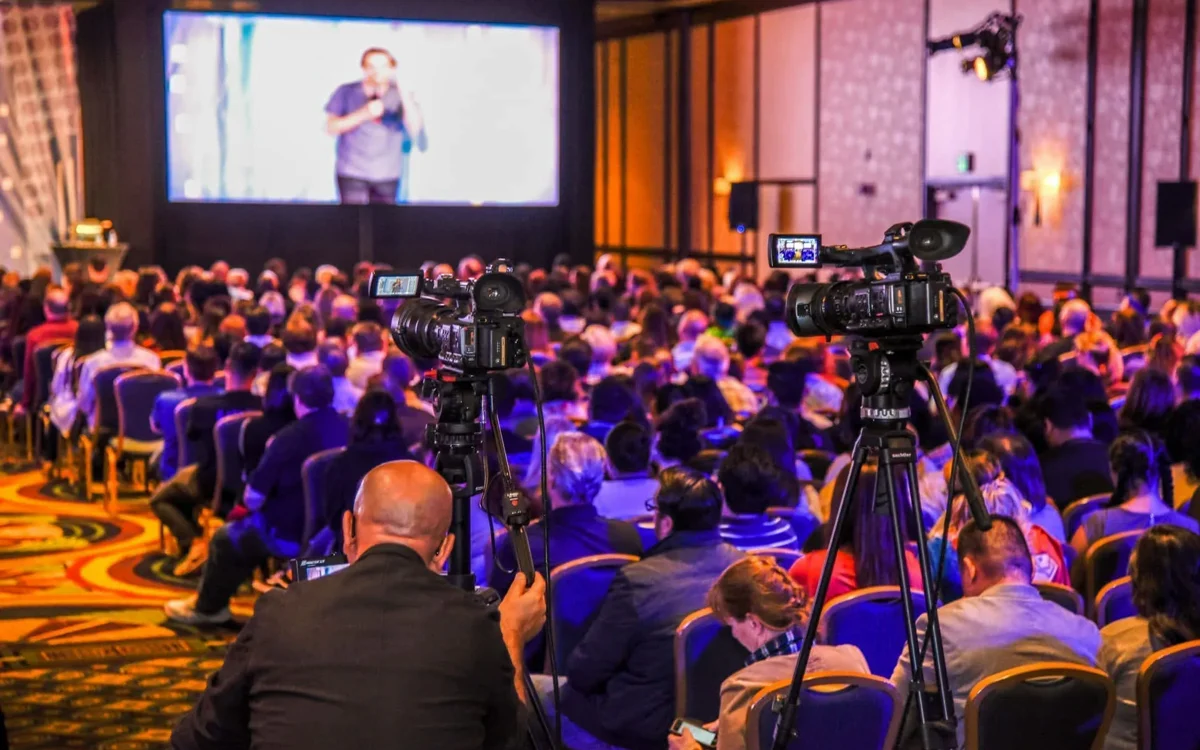
A conference audience with cameras filming a speaker on the big screen.

Conferences, Panels and Galas

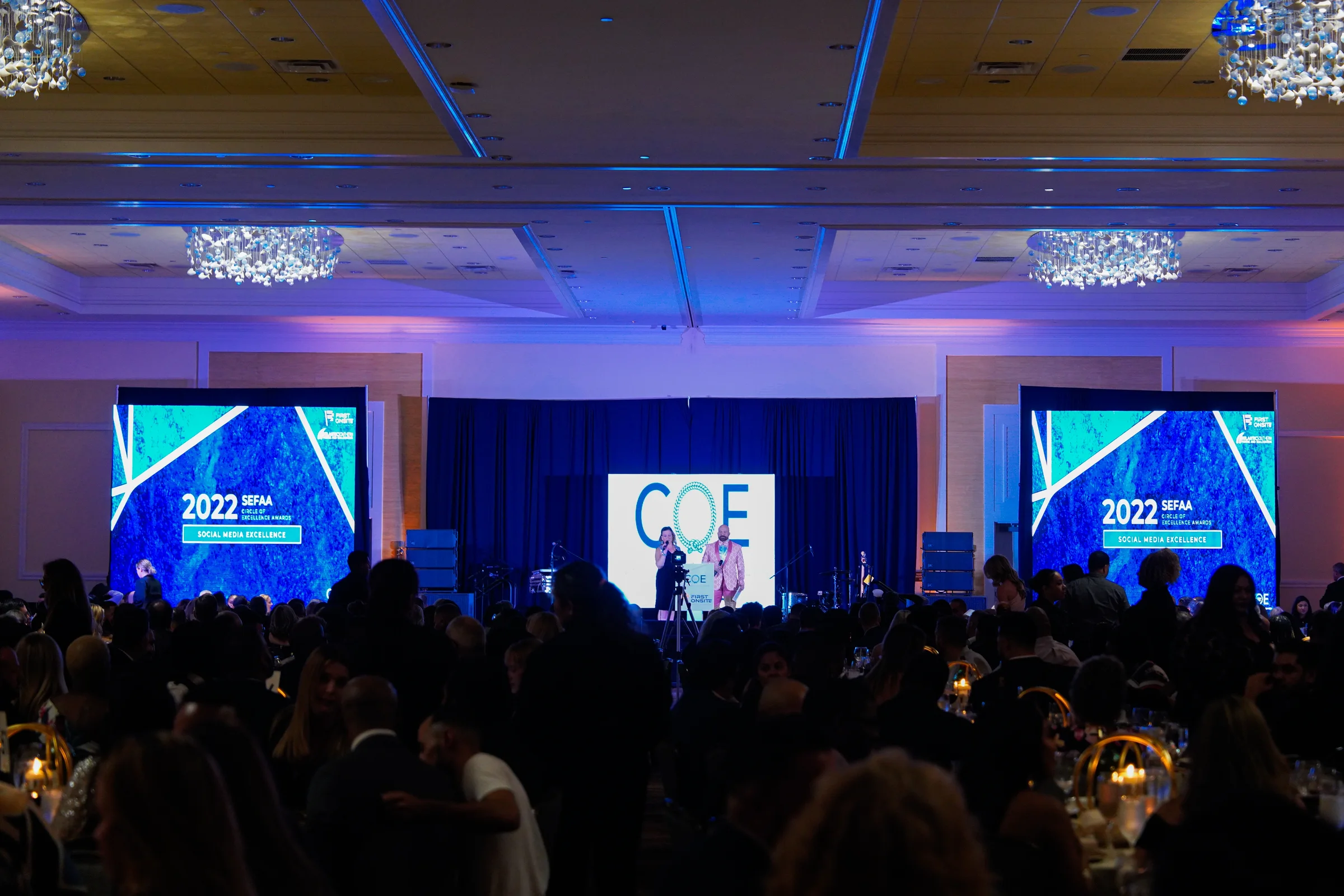
On a corporate show the audio engineer is often called the A1. The work is speech: a keynote on a headset, four panelists who all talk at different volumes, a question microphone in the aisle, and a video that has to start with sound. Nobody claps for clear speech, but everyone notices the second it drops out. When a session is recorded or streamed, the camera crew takes its audio from the same console.
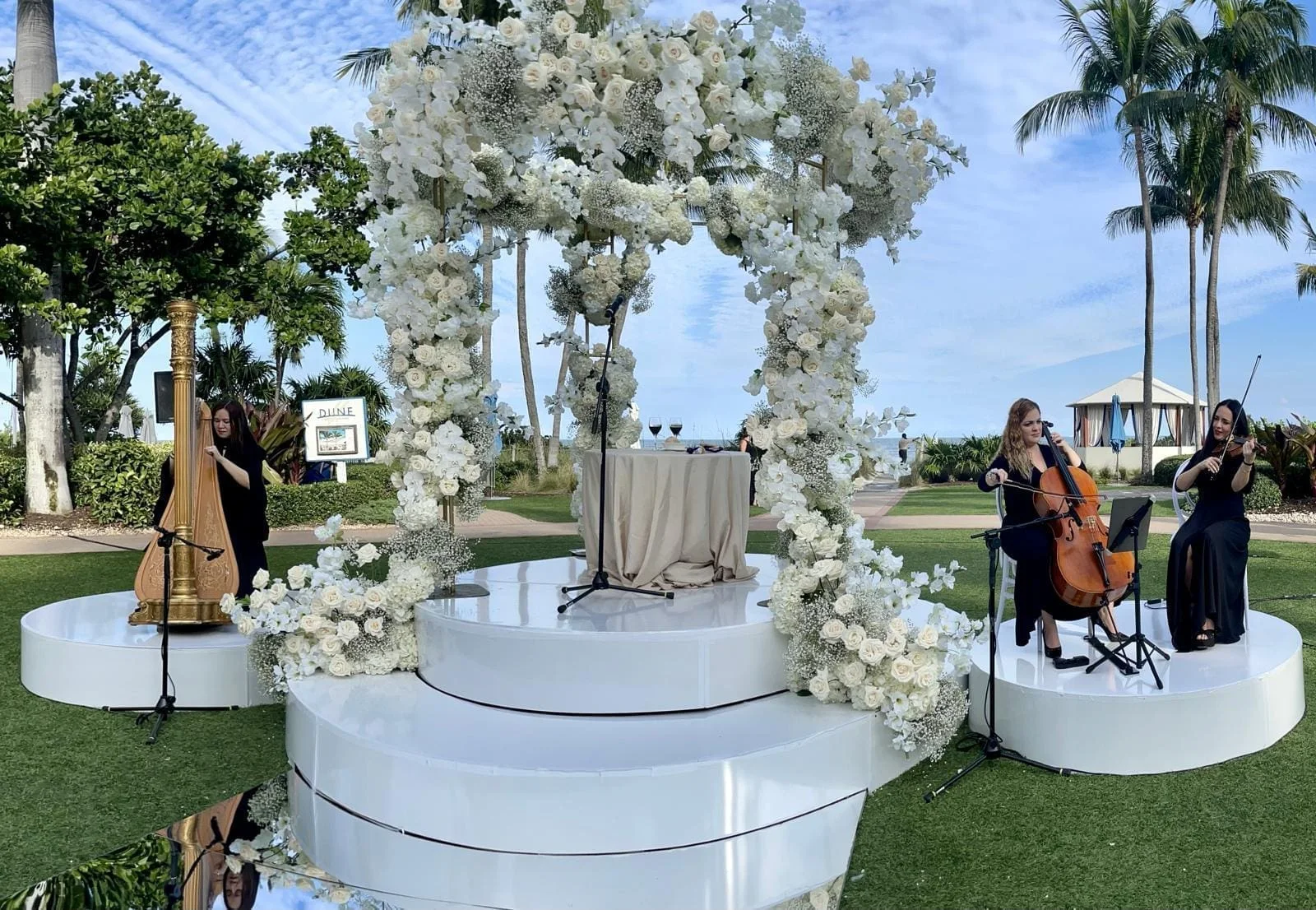
A harpist, a cellist and a violinist seated on white round platforms beside a floral arch at an outdoor ceremony near the ocean.

Weddings and Parties With Live Music

A string trio at the ceremony needs a light touch. A ten piece band at the reception needs a real mix, and it needs someone who is not also playing an instrument. The engineer keeps the horns from burying the singer, brings the level down for dinner, and hands the father of the bride a microphone that is already on. If a DJ plays between sets, the same person moves the room from one to the other without a gap.

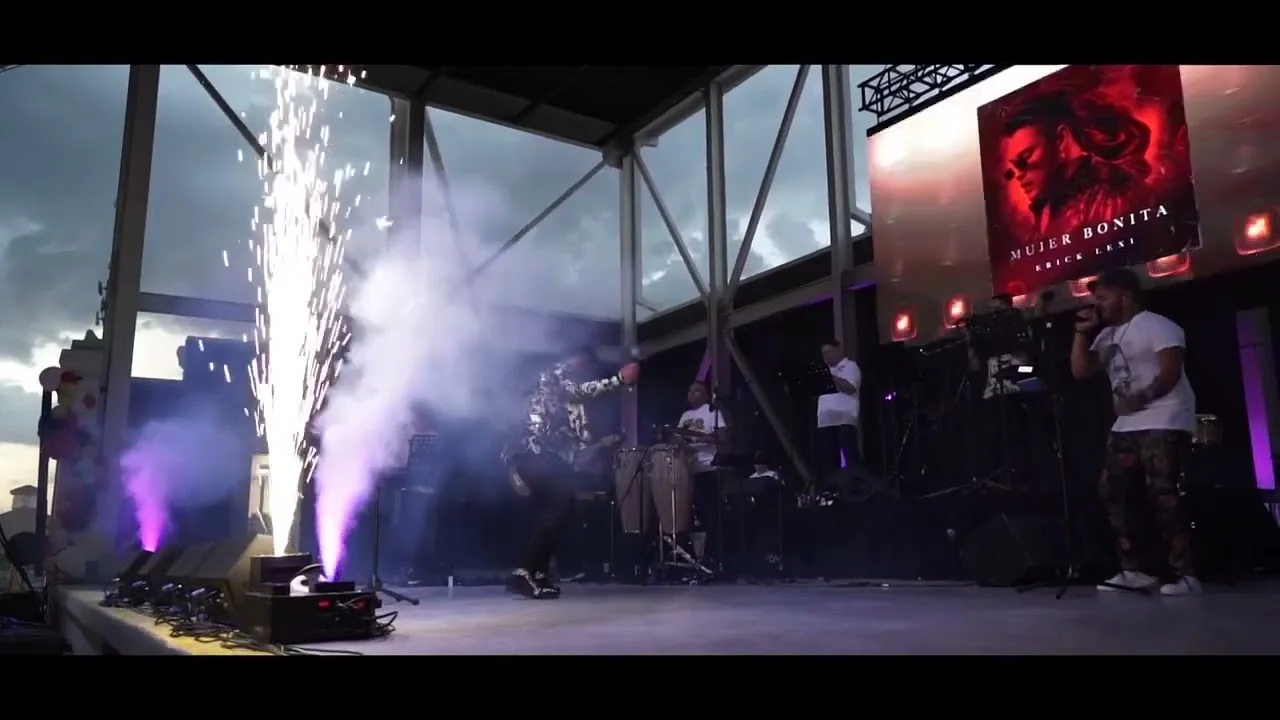
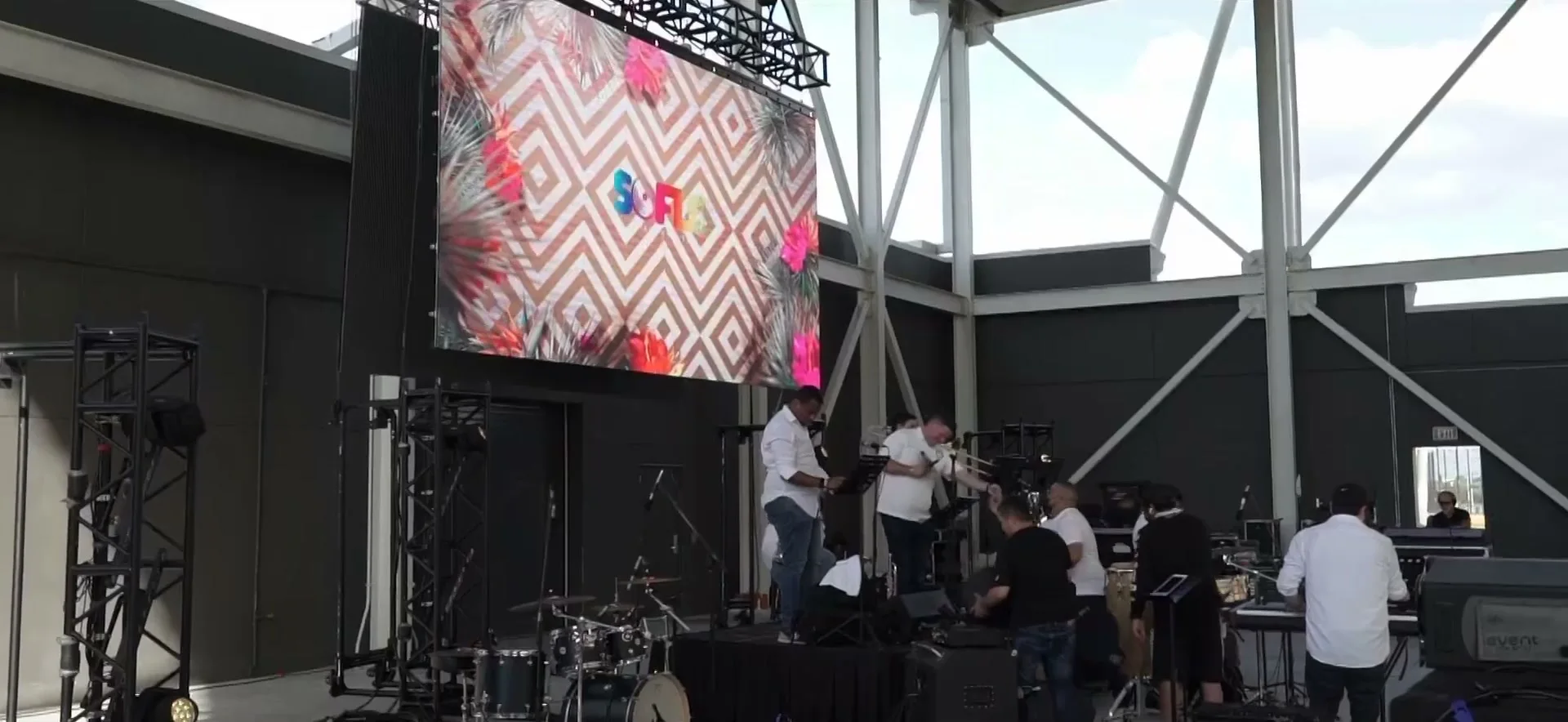
A salsa band running a soundcheck in daylight on an amphitheater stage under a hung LED wall, from our Festival De La Zalsa video.

Concerts and Festivals

A concert sound engineer has the least room for error. Several acts share one stage, each with its own input list, and the changeover between them is measured in minutes. Outdoors there are no walls to help, so the mix has to carry to the back of the lawn without hurting the front rows. Bigger bills split the work in two: one engineer for the crowd and one for the musicians.

Proof

What Clients Wrote About Our Sound and Our Crew

Each of these is copied exactly from our Google listing, spelling included.

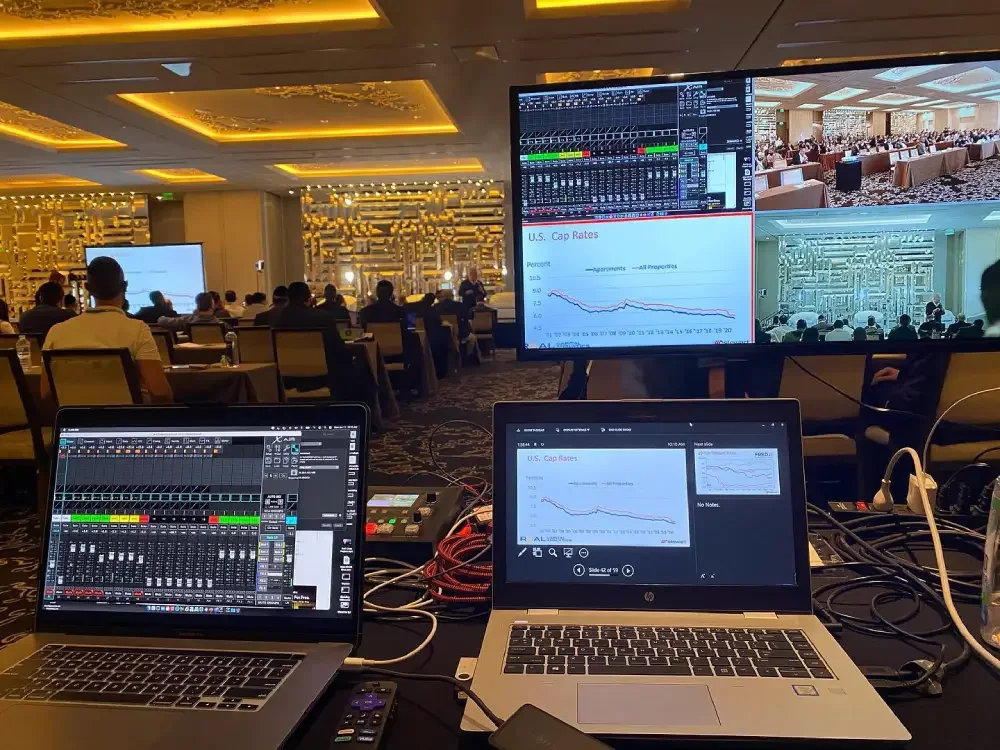
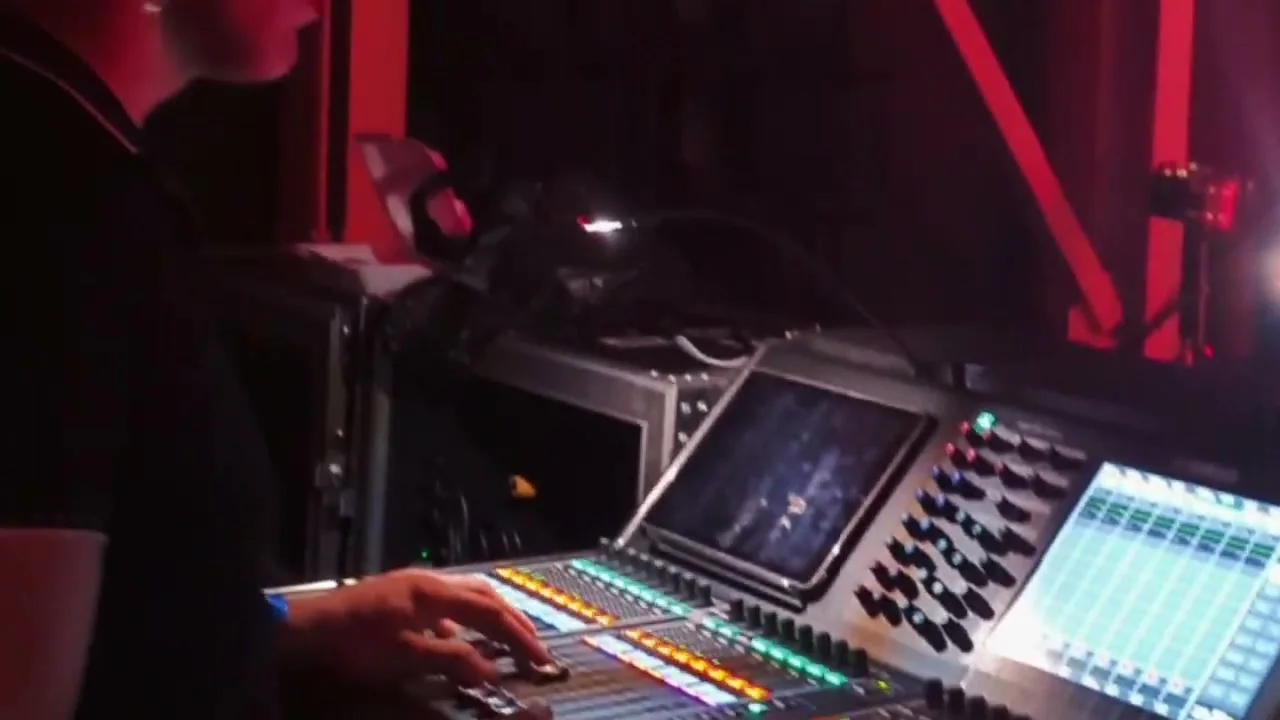
  • Two laptops running digital mixer software at a tech desk in a hotel ballroom, with a monitor showing the audience and the slides.
    Google review Minor Ruiz 5 out of 5 stars. Google review of an event with 400 attendees. Photo from one of our events.
    “Led wall looked great and the staff was amazing. We had 400 attendees at our event and everyone loved the sound and presentations.”
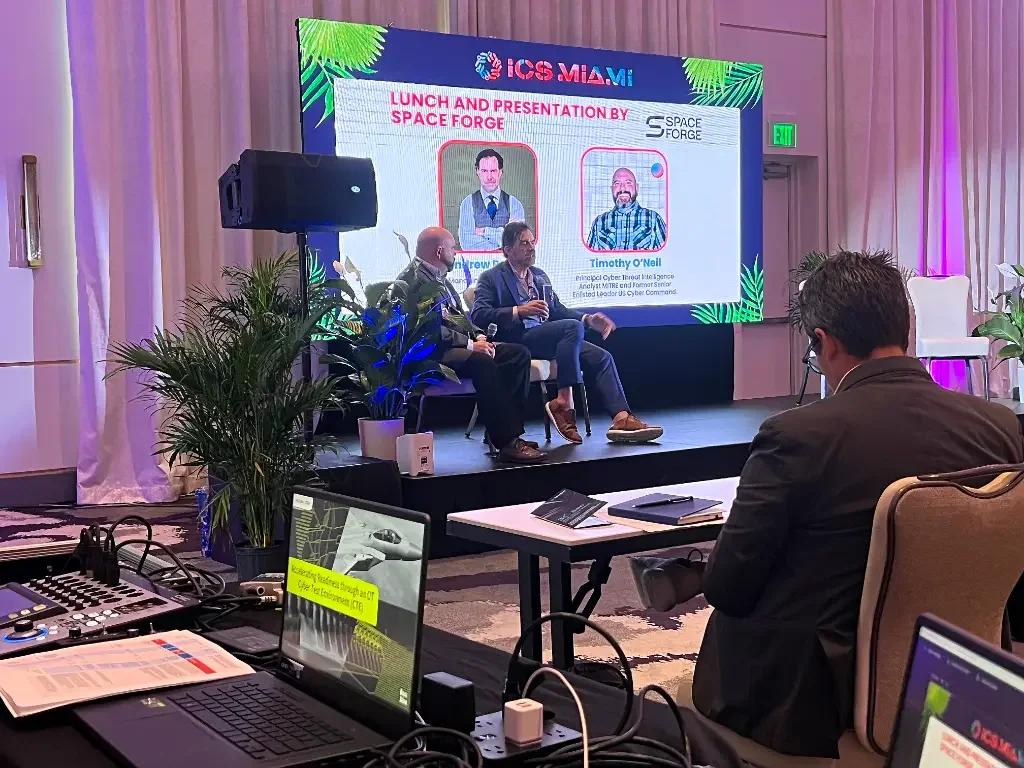
  • A fireside chat panel on a stage in front of an LED wall, with a seated audience in a ballroom washed in purple light.
    Google review Ariana Seymourian 5 out of 5 stars. Google review of our AV team. Photo from one of our events.
    “Working with this team has been absolutely amazing. They were so responsive, quick, and reliable which is very hard to find in an AV team. As an event planner, it's important to me that I have someone on my team who is realiable and cares about what they do. They excel at this! They had no problem accommodating to our needs (even when they were last minute). More importantly, they're thorough! Edward was there with me every step of the way during the event process. He was caring, supportive and accommodating. This is the kind of person you want to have on your team when there's so much going on. I would HIGHLY recommend SoFlo for your next event. They're the best. :-)”
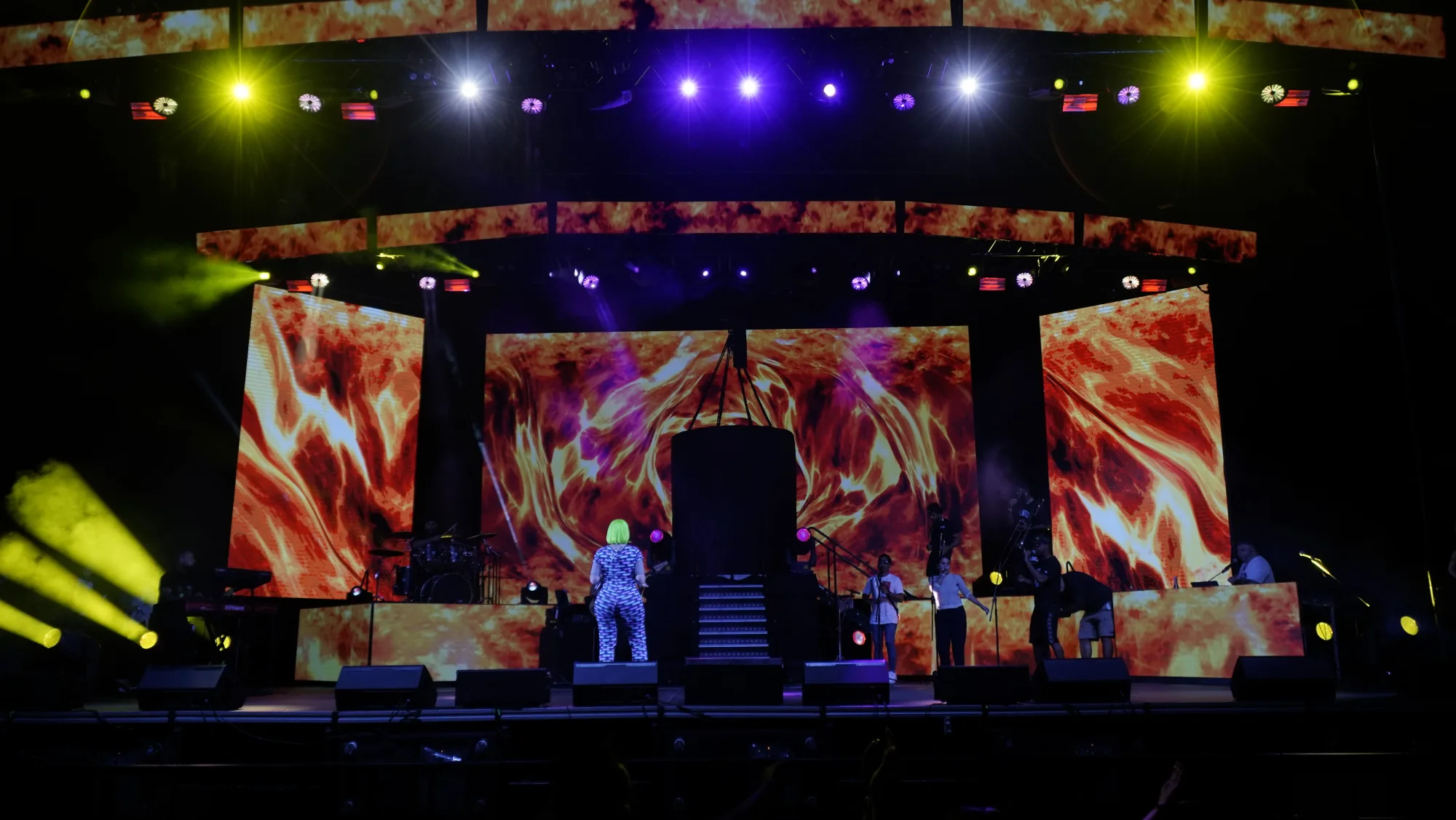
  • A concert stage with LED walls behind the performers.
    Google review Pierpaolo Gardella 5 out of 5 stars. Google review of our staff and equipment. Photo from one of our events.
    “Always very profesional, and working with knowledgable staff. Great equipment. This is a high caliber event production company!”
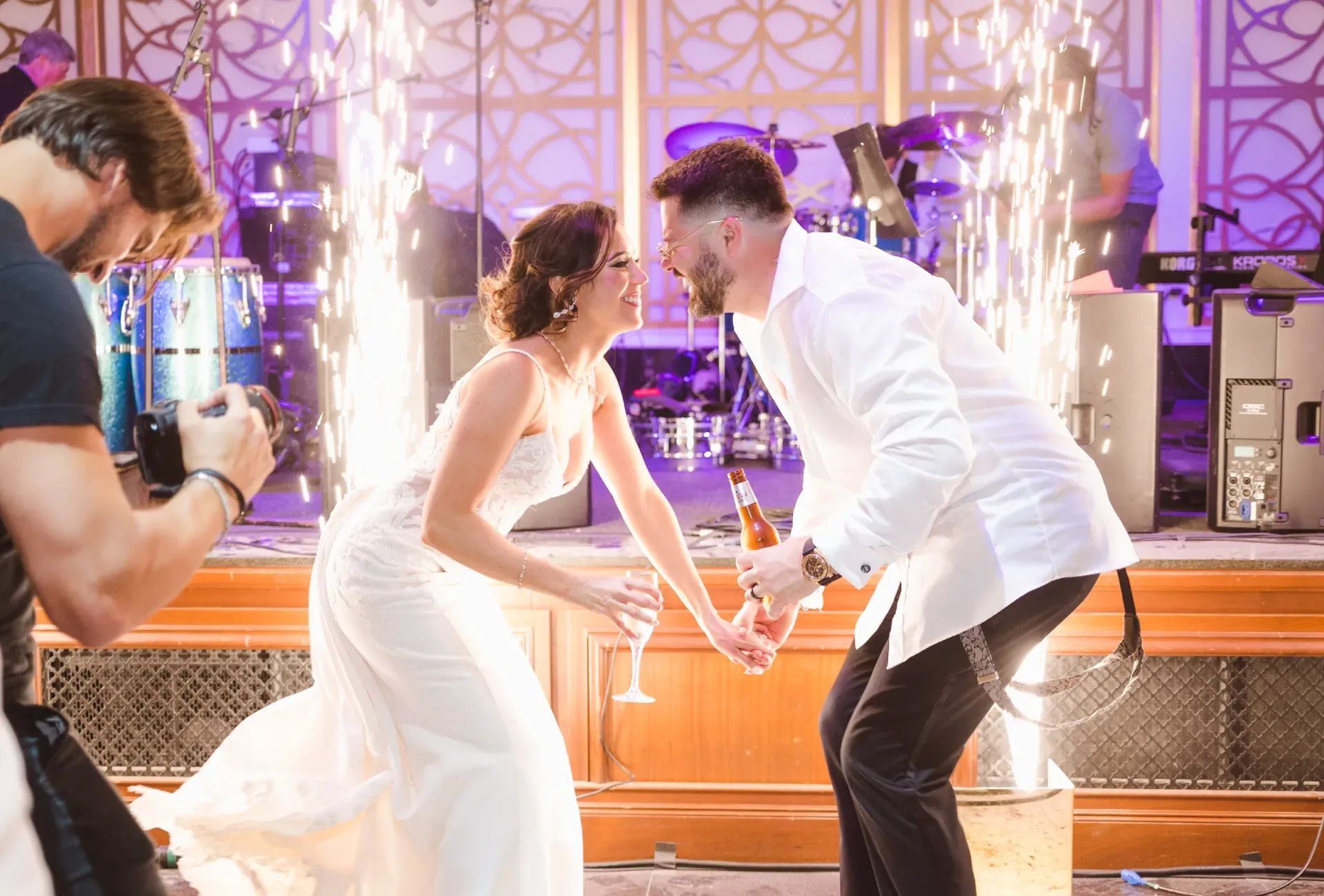
  • A bride and groom dance in front of a live band while cold spark fountains fire behind them.
    Google review Jose Castellanos 5 out of 5 stars. Google review of sound, lighting and DJ. Photo from one of our events.
    “SoFlo main events did our event and we highly recommend them. These folks really know their stuff when it comes to events. They brought the best sound, lighting and dj talent to our event. Thank you soflo!”
1 of 4
Need a Sound Engineer for Hire?Send the date, the venue and who is on stage. We will tell you what the show needs at the console.

Two Seats, Two Jobs

Front of House Engineer or Monitor Engineer?

Small shows put both jobs on one person and one console. Bigger stages give each its own.

Faces the audience

Front of House Engineer

Mixes for
Everyone in the seats and on the dance floor. Often shortened to FOH.
Sits
Out in the room, facing the stage, hearing what your guests hear.
Listens for
Words you can follow, a vocal that sits on top, bass that stays tight, and a level that fits the moment.
You need one when
Anything live goes through speakers: a band, a panel, a ceremony, an awards night.
Request a Sound Engineer

Faces the performers

Monitor Engineer

Mixes for
The people on stage. Each one can get a different blend.
Sits
At the side of the stage, in eye contact with the players.
Listens for
A singer asking for more of herself, a drummer who lost the bass, a wedge starting to ring.
You need one when
The band is large, the players use in ear monitors, or several acts share the bill.
See the sound systems they run

Show Day

From Load In to the Last Song

Most of a sound engineer's work is finished before the first guest sits down. The day moves through four stages.

  1. Load In and Patch

    The console goes where the engineer can hear the room. Every microphone and instrument gets a labeled channel.

  2. Line Check

    One input at a time, to prove each cable, battery and wireless pack works before anyone performs.

  3. Soundcheck

    The band plays a song or the presenters read a line. Levels, tone and stage monitors are set and saved.

  4. The Show

    Eyes on the stage, fingers on the faders. Cues are followed, surprises are handled, and the mix moves with the crowd.

What Helps the Engineer Most

Paper Before FadersThe more the engineer knows ahead of the date, the shorter the soundcheck and the calmer the show. None of this has to look polished. A photo of a handwritten list works.
An Input ListEvery voice and instrument that needs a channel: lead vocal, congas, keys, the laptop with the videos.
A Stage PlotA simple sketch of who stands where, so monitors and microphones land in the right spots.
A Run of ShowThe order of the night with times, names and any song or video that has to start on a cue.
One ContactThe band leader, the show caller or your coordinator. One person who can answer for the stage.
5.0 from 63 Google ratings. Read what clients say about our crew on Google.

Cost

What Sets the Price of a Sound Engineer for an Event

An engineer's quote follows the size of the job at the console and the length of the day. These eight things move it, and any company you call should ask about all of them.

  1. Channel countA podium and two handhelds is a small mix. A twelve piece band is a large one.
  2. Length of the dayLoad in, soundcheck, rehearsal, show and pack out all count. The performance is the short part.
  3. One engineer or twoA separate monitor engineer for big bands, in ear mixes or a bill with several acts.
  4. Whose system it isOur console and speakers, the venue's house system, or gear the band carries.
  5. Number of actsEvery changeover means a new input list and a fresh check.
  6. Extra feedsAudio sent to a video crew, a livestream, an overflow room or a recording.
  7. Indoors or outdoorsOpen air stages need more coverage and a plan for wind and rain.
  8. Venue accessLoading docks, long pushes, short set up windows and house labor rules.

Before We Quote

Six Things We Ask About Your Stage

Rough answers are fine. If a band leader or a venue manager knows more than you do, put us in touch and we will ask them.

  1. Who Is on Stage?

    Presenters, a panel, a solo musician, a full band, or several acts in a row.

  2. How Many People Are Listening?

    Sixty in a boardroom and two thousand on a lawn are different mixes and different crews.

  3. Is There Sound Gear Already?

    A house system in the ballroom, a console the band owns, or nothing at all.

  4. What Plays Back?

    Slides with video, walk up songs, backing tracks, a remote guest on a call.

  5. Where Does the Audio Go?

    Only the room, or also a camera crew, a stream, a second room or a recording.

  6. When Can We Get In?

    The hour the room opens, the time for soundcheck, the doors time and the hard out.

Have the Answers Ready?Send them with your date and we will come back with a quote for the crew your stage needs.
What does a live sound engineer do at an event?

They place and patch the microphones, check every input, set levels during soundcheck, and then mix the show as it happens. During the event that means opening the right microphone at the right second, keeping feedback away, balancing a band, starting video sound on cue, and reacting when the plan changes. Afterward they pack the stage down.

What is the difference between a sound engineer and a sound technician?

People use both for the same person, and at most events one person does both jobs. When a crew separates them, the technician builds and wires the system and the engineer mixes on it. On corporate shows you will also hear A1 for the lead mixer and A2 for the person who fits microphones on presenters backstage.

Is an audio engineer the same as a sound engineer?

In live events, yes. Audio engineer is the wider term and also covers people who record and mix music in studios. If you search for one near you, many results will be recording studios. For a stage, a ballroom or a festival, ask for a live sound engineer or a live audio engineer so you reach the right trade.

Do I need both a front of house engineer and a monitor engineer?

Not for most private and corporate events. One engineer can mix the room and send a few monitor mixes to the stage. A second engineer earns a place when the band is large, when players wear in ear monitors and each wants a personal blend, or when a festival runs act after act with short changeovers.

How does the engineer hear what the performers hear?

The console has a listen feature that lets the engineer solo any monitor mix into headphones or a small wedge beside the desk. That way they can check a singer's mix without walking on stage in the middle of a song.

Does a band need a sound engineer at a wedding?

A full band does. Someone has to balance the instruments from out in the room, because the players cannot hear what your guests hear. Ask the band first whether a dedicated engineer comes with them or whether a musician mixes from the stage. If nobody is at a console, book one. A duo or a string trio usually needs only a light set up and a quick check.

Our band says they bring their own sound. Do we still need you?

Maybe not. Ask them three things: who mixes while they play, whether their system reaches the back tables as well as the dance floor, and who handles the microphones for the ceremony, the toasts and the DJ. If the answers leave gaps, we can cover those parts and work alongside them.

Who runs the microphones for speeches and toasts?

The same engineer. Speech is the part of the night people forgive least, so it gets checked before guests arrive and watched closely while it happens. Tell us who is speaking and whether they will stand at a podium, hold a microphone or wear one. Our microphones and presentation audio page explains the choices.

Can you mix a conference with panels, a keynote and video?

Yes. Conference sound and audio visual technicians are a regular part of our work. Send the agenda, the number of people on each panel, and how the slides and videos will be played. If the session is being filmed or streamed, say so early, because the camera crew will need audio from the console. For slides and screens, see on site technical support.

How much does it cost to hire a sound engineer for an event?

We do not post a flat rate, because a podium speech and a festival stage are not the same day of work. The quote depends on how many channels are in the mix, how long the crew is on site, whether one engineer or two are needed, and whose equipment is used. Send those details and we reply in writing.

Do you charge by the hour or by the day?

We quote the event, not a clock. An engineer's day starts well before the audience arrives, with load in, soundcheck and any rehearsal, and ends after pack out. Tell us when the room opens and when you want the stage ready, and the quote will show the hours it covers.

Should we hire a freelance sound engineer or a production company?

A freelancer suits a venue or a band that already owns a good system and only needs someone to run it. A production company suits an event that needs the system and the crew together, with one name on the quote. With us the engineer arrives with the people handling lights and video, so cues are shared instead of guessed.

Can your engineer work on our venue's house sound system?

Often, yes. We ask the venue what is installed, what condition it is in and whether outside operators are allowed to use it. Some rooms have a system that is fine for speech and too small for a band, and in that case we add to it. Check your venue's own policy too, since each property sets its own rules.

Are you insured, and what will our venue need from you?

We carry liability insurance. Hotels and private venues commonly ask outside vendors for proof of it before load in, along with arrival times and power needs. Tell us what your venue wants when you book and who to send it to.

Do you provide a sound engineer for church services and community events?

We take one off events such as a special service, a concert night, a graduation or a festival on the grounds. Tell us what is already installed in the room and what the program includes, and we will say plainly whether you need our gear, our engineer or both.

How early should we book a sound engineer?

As soon as the date and the venue are set. Larger shows need time to collect input lists and stage plots from every act, and busy weeks in South Florida fill quickly. A short call tells you whether the date is open and what we need from you next.

Get a Quote

Tell Us Who Is on Your Stage

The date, the venue, the size of the audience and what needs to be heard. We check the calendar and send a quote for the engineer and anything else the show needs.

Phones are answered 9:30 AM to 8:30 PM, seven days a week.

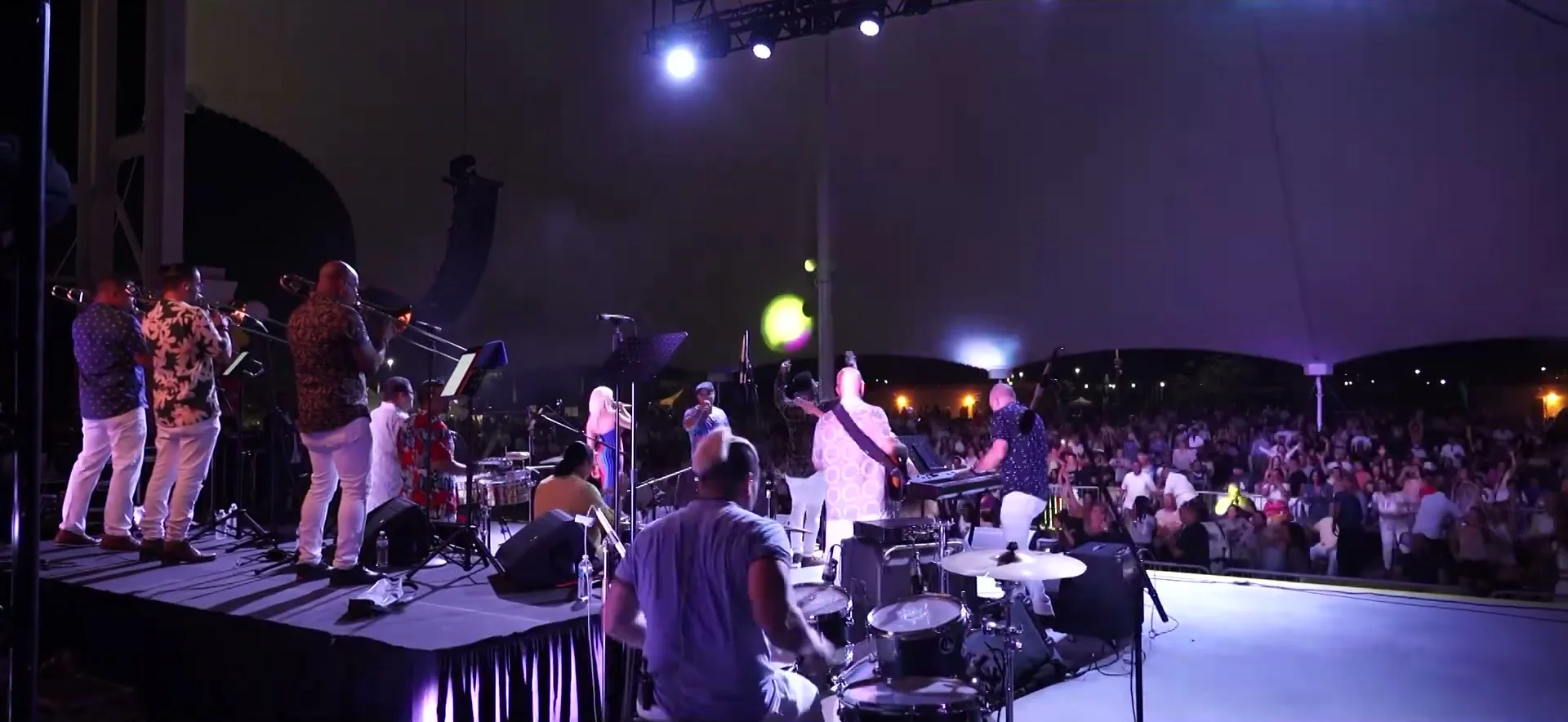
A view from behind a band on stage at night, looking past the drummer and singers toward a large crowd, from our Festival De La Zalsa video.
The view from the stage at Festival De La Zalsa in Miramar

Request a Sound Engineer Quote

Five fields are required. The rest helps us quote faster.

A venue name helps most. We check its rules before we quote.

What do you need? (pick any)

Rather talk? Call (305) 714-0402

Call Now Get a Quote