
 5.0
How Our LED Wall vs Projector Quiz Scores Your Answers
Every answer moves a marker along one line. One end is a projector and screen, the other is an LED wall, and the middle means either will do. Each choice adds or takes away points, the points are summed, and the total picks the words you see.
- Light on the screen counts mostDark or dim takes away 2 points, partly lit adds 1, bright adds 3. An LED wall makes its own light, while a projector competes with every lamp and window in the room, so this question carries the most weight.
- Outdoors adds 1Outdoor walls use panels built for daylight and weather. One answer overrides the whole score: outdoors plus bright. A projector cannot beat the sun, so before sunset the quiz returns an LED wall no matter what else you picked.
- Room shape moves it by 1A shallow room adds 1, because a projector needs a clear path to the screen and a wall needs none. Plenty of depth, or a long narrow room, takes away 1, since there is space to place a projector out of the way.
- Content moves it by 1 or 2Slides, a montage or videos take away 1; a dim room shows them well on a projection screen. A screen that is part of the stage design, a reveal or a live camera shot adds 2.
- Your priority moves it by 2Lean budget, a short setup window, or several rooms at once each take away 2. Looking right on camera and in photos adds 2.
A total of 3 or more reads as an LED wall. A total of 1 or 2 reads as leaning LED wall. Zero reads as either one can work. Minus 1 or minus 2 reads as leaning projector and screen, and minus 3 or lower reads as a projector and screen. "Not sure yet" adds nothing and puts a matching question on your venue list instead.
Worked Example: An Awards Dinner in a Hotel Ballroom
Take a company awards dinner for 300 guests in a hotel ballroom. Servers need the chandeliers at half all night, the room runs about 120 feet from the stage to the back wall, the screens carry sponsor loops and a photo for each award, and the client wants to keep the gear lean so more money goes to the stage lighting.
Indoors adds nothing. Partly lit adds 1. Plenty of depth takes away 1. Photos and videos take away 1. A lean budget takes away 2. The sum is minus 3, so the quiz says projector and screen, with a caution in the reasons: half lit chandeliers mean the projector needs real brightness, and the screens should be sized to the last table. The venue list adds where a projector can stand without blocking a service aisle, and how high the ceiling runs over the stage.
Change one answer and watch it flip. If the same client says the program will be filmed and the clips posted that week, the priority swings from minus 2 to plus 2, and the total lands at plus 1: leaning LED wall. That is the honest shape of this decision. Two or three facts about the room usually settle it, and one about the program can move it.
Three Rooms, Three Different Answers
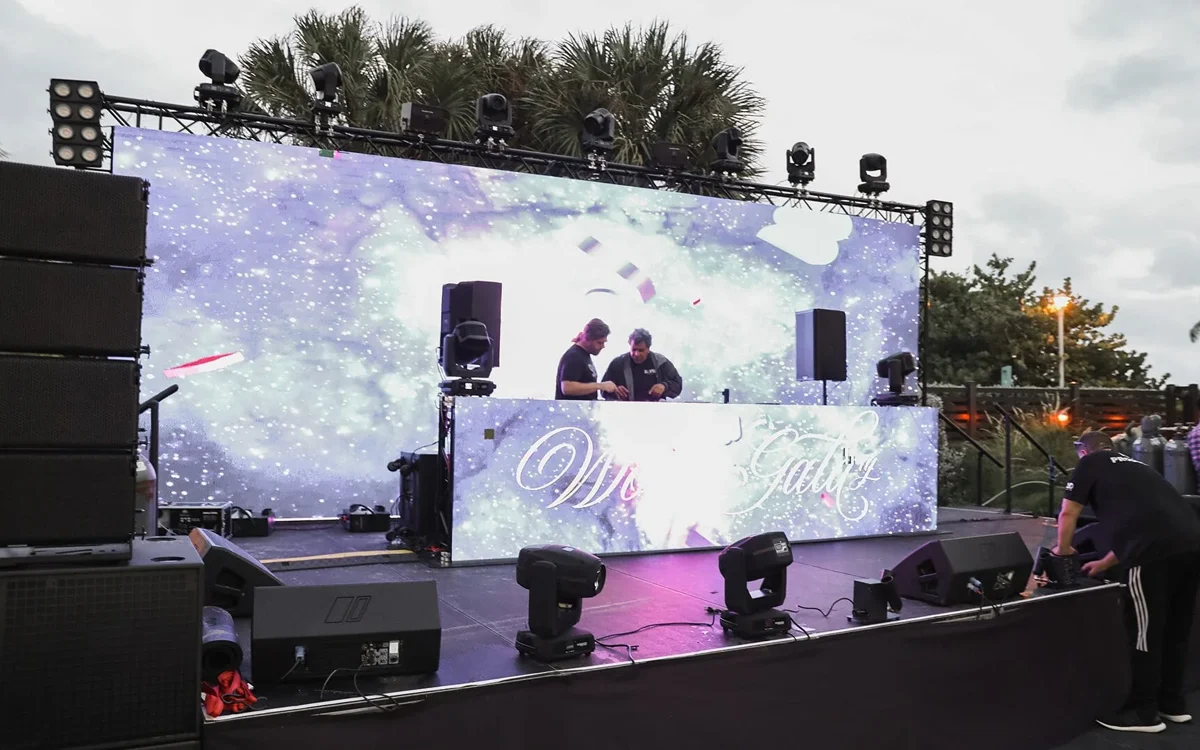
A daytime festival stage. Outdoors and bright triggers the override, and the answer is an LED wall before you reach question three. The venue list turns to which way the screen faces at show time, where power comes from, and what happens if wind picks up or a storm rolls in.
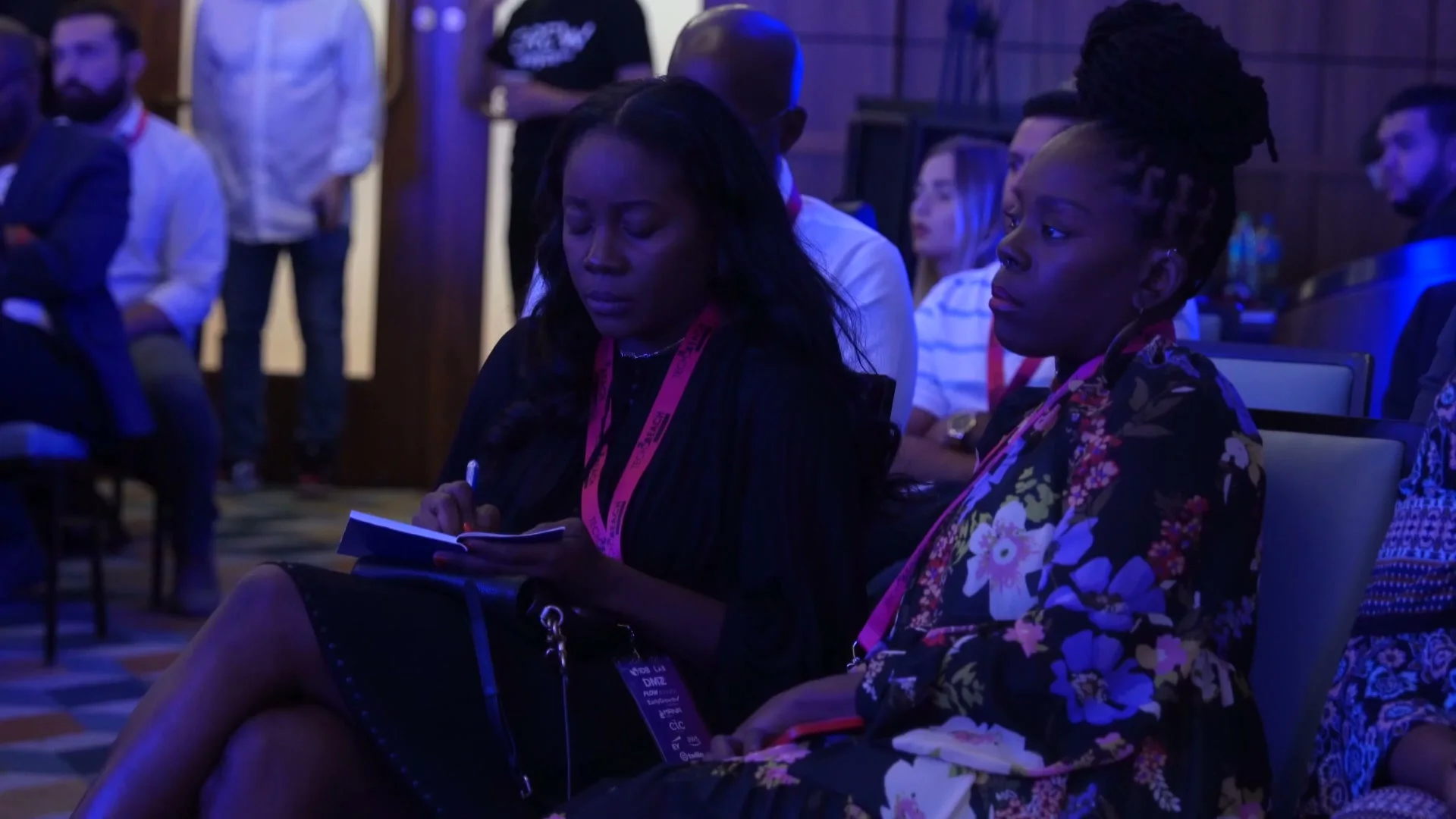
A windowless training room. Indoors, dark, plenty of depth, spreadsheets, lean budget: minus 6, a projector and screen. Spend the difference on a confidence monitor for the presenter or on clear presentation audio.
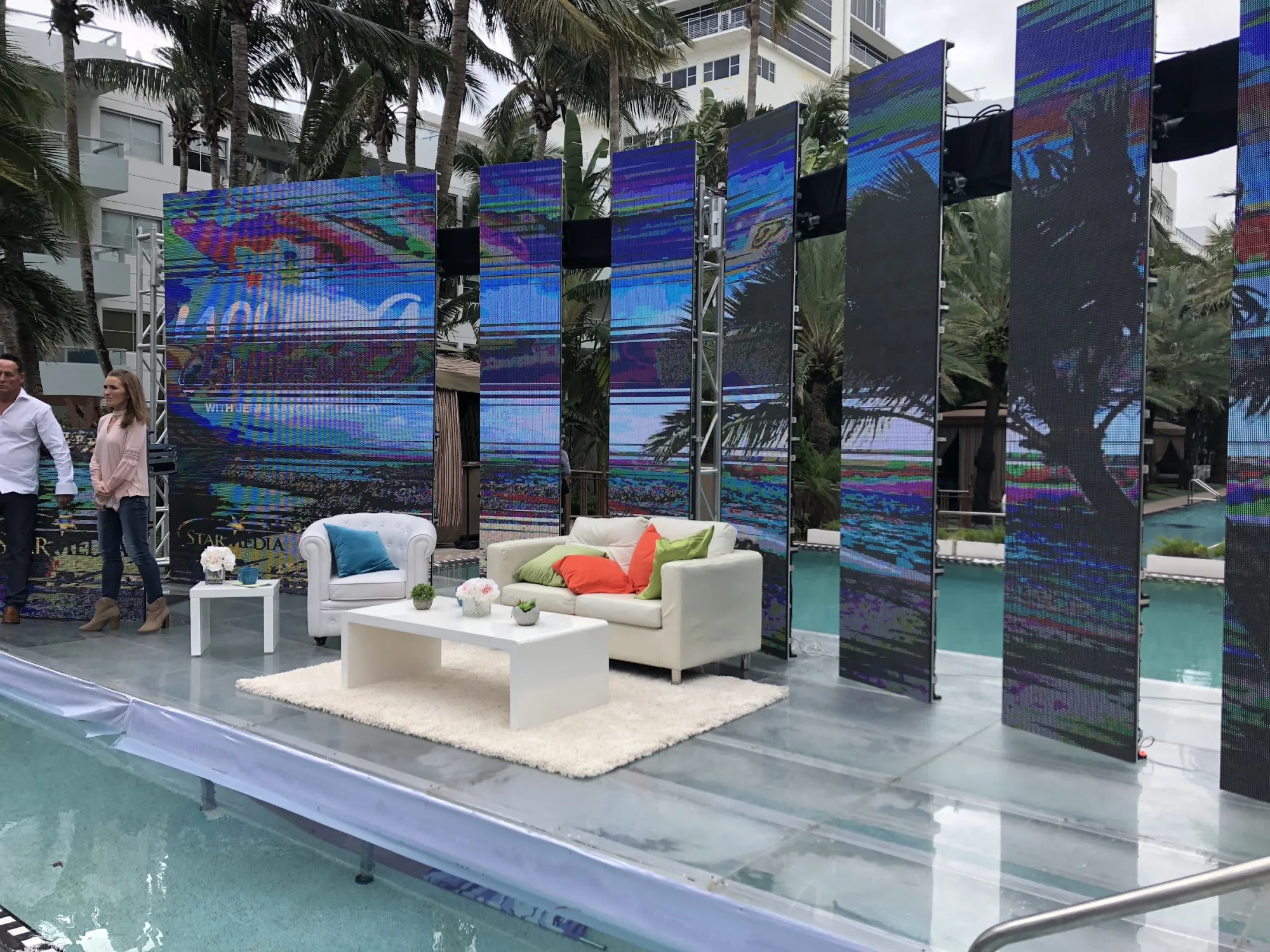
A pool deck movie night after sunset. Outdoors adds 1, dark takes away 2, videos take away 1, and with the last two questions left blank the total sits at minus 2: leaning projector and screen. The venue list adds cover for the projector, a wind plan for the screen and a backup spot indoors.
What the Quiz Does Not Weigh
It knows five things about your event. A site visit covers far more, and these are the gaps that most often change our final call:
- Exact screen size for your farthest seat, ceiling height and the sightlines from every table.
- Projector brightness, lens and throw distance, and LED pixel pitch. Those come after the screen type is chosen.
- Venue rules: whether anything may hang from the ceiling, who rigs it, power charges, and whether the venue names an exclusive screen provider.
- Cost. We quote each room on its own and never publish a flat rate.
- The weather on your actual date, the sun angle at your hour, and the dock and freight elevator schedule.
- Mixed setups, such as a center wall for the stage with side screens for a camera close up.
When to Skip the Quiz and Call Us
Some events have too many moving parts for five questions. Call (305) 714-0402 or use the form below when your general session feeds several breakout rooms, when the program is streamed or filmed for later, when an outdoor screen has to run through a Florida summer afternoon, or when your venue contract mentions an in house AV company. Send the venue name, the room and your agenda. A floor plan or a phone photo of the room helps more than anything.
Where to Read More
The quiz decides; these pages explain. Our LED video wall rental page covers indoor and outdoor walls and how we hang or stand them, and our projector and screen rental page covers how we size a screen to the worst seat. For the full reasoning behind a general session choice, read LED video wall or projector for an Orlando corporate event. Outdoor plans should start with outdoor LED walls in Florida weather and sun, and budget questions with what drives the cost of an LED video wall rental. If a live close up of the speaker is part of the plan, see live camera feeds and video mixing.
LED walls by city:
- LED video walls in Miami
- LED video walls in Miami Beach
- LED video walls in Hialeah
- LED video walls in Fort Lauderdale
- LED video walls in Boca Raton
- LED video walls in West Palm Beach
- LED video walls in Orlando
Projectors and screens by city:
- Projectors and screens in Miami
- Projectors and screens in Miami Beach
- Projectors and screens in Hialeah
- Projectors and screens in Fort Lauderdale
- Projectors and screens in Boca Raton
- Projectors and screens in West Palm Beach
- Projectors and screens in Orlando
Planning the whole program? See how we run corporate events and weddings, or try the other planning tools.
LED Wall or Projector Questions
Is an LED wall always the better screen?
No. It wins when light hits the screen, when the room is shallow, or when the screen is part of the show. In a room that dims, with slides or a montage, a projector and screen does the job with fewer cases and a quicker setup.
Can a projector work outdoors during the day?
Not in a way guests will enjoy. Sunlight washes out any projected picture, which is why the quiz returns an LED wall for outdoor daytime answers. After the sky goes dark, projection works if the projector stays dry and the screen is secured against wind.
Does a shallow room rule out a projector?
Not always. A shorter throw lens or projecting from behind the screen can fit a tight room. It does make an LED wall more attractive, because a wall needs floor or hanging space only where it stands.
Why does filming push the answer toward LED?
A camera sees a projected screen as a gray patch when stage lights spill on it. An LED wall stays bright behind a speaker in every shot, and in guests' phone photos too.
Which one costs less?
A projector package usually does, since it is fewer pieces and less labor. The real figure depends on screen size, days in the room, the number of screens and the venue's own rigging and power charges, so we quote each room.
Can one event use both?
Yes. A wall behind the main stage with projection in the breakout rooms is a common split. Tell us the agenda and we will mark which room gets which.
Is the result a quote?
No. It is a planning estimate from five answers. We confirm the screen type, size and placement after we know the venue, the room and the date.